ISO 9001 Certified OEM & ODM Service Global Shipping to 50+ Countries Since 2007 · Hangzhou, China EN 13236 Standard 24/7 Technical Support ISO 9001 Certified OEM & ODM Service Global Shipping to 50+ Countries Since 2007 · Hangzhou, China EN 13236 Standard 24/7 Technical Support
Home/Solutions/DIY Workshop
Application guide 05

The home workshop, done properly.

What to use for wood, walls, tile, metal and everyday repairs — plus the three habits that separate a job well done from a damaged tool.

FIG. 05 · DIY WORKSHOP
05
6 core items
Starter tools
slow & steady
Hard material
let the tool cut
Power rule
clean & dress
Aftercare
01 — At a glance

The three things that matter most

Almost every DIY failure is the same failure: the wrong bit for the material, or too much speed and pressure. This page maps ten common home jobs to the right tool, the right speed and the mistake to avoid.

Match the tool to the material, every time

Wood wants a TCT blade with 40–60 teeth. A brick wall wants a carbide masonry bit. Tile wants diamond, rotary only. Metal wants HSS or cobalt at low rpm. Using the wrong bit is how tiles crack and drills burn out.

Start slow and let the tool work

Too fast on a hard material burns the edge; too much pressure on a delicate one cracks it. The tool should cut at its own rate — your hand only guides it.

Three habits that save money

Unplug before changing a bit or blade. Clamp or support the workpiece. Clean and dress your tool after every job. Those three habits are most of the difference between tools that last years and tools that last months.

02 — Tool matching

Match the tool to the material

Pick the row for your material. If two rows look similar, start with the slower option — it is almost always the safer and cheaper mistake.

Ten common jobs → tool → what matters
JobToolWhat matters
Cut timber, shelves, studsTCT circular saw blade, 40–60 TSupport both sides; cut on the waste side of the line
Cross-cut and mitre trimMitre saw blade, 60–80 TReach full speed before the teeth touch the wood
Drill a brick wall for a plugCarbide masonry bit, hammer ONStart without hammer, engage once the bit has bitten
Hole in a bathroom tileDiamond bit, rotary only, waterTape the spot, 45° start, no hammer mode
Cut tile to sizeContinuous rim diamond bladeWet if you can, feed steadily, never force
Small metal brackets and anglesHSS / cobalt bit, low rpmCentre punch first, use cutting oil
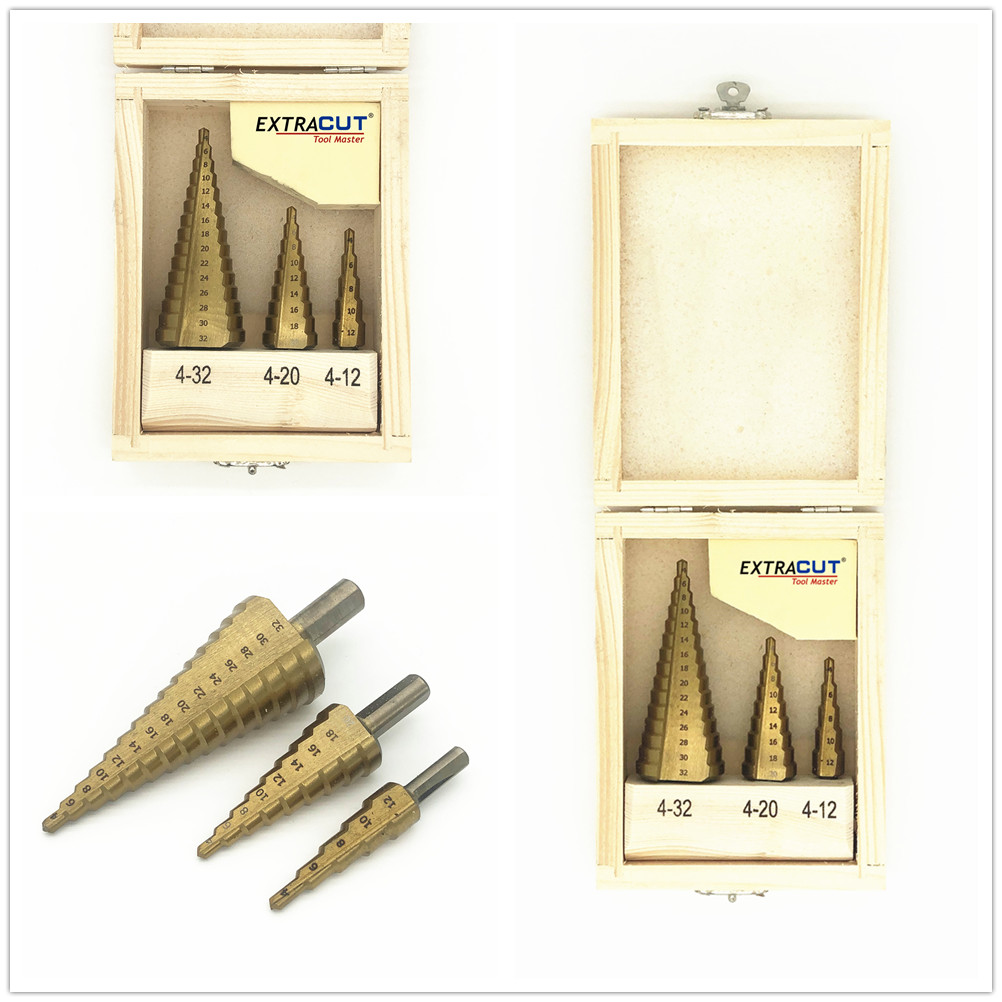
Enlarge or deburr a sheet-metal holeStep drill, 4–32 mm, 300–600 rpmLow speed, light pressure, one bit for many sizes
Assemble furniture, bikes, appliancesScrewdriver bit set + hex keysCorrect size beats brute force — always
Grind welds, rust, sharp edgesFlap wheel or T27 grinding discDisc rating must exceed the tool's speed
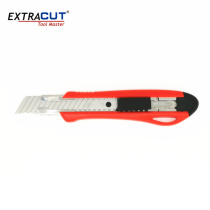
Hang a picture, measure a roomTape measure, level, utility knifeMeasure twice, mark once, check the level
03 — Step by step

Your starter kit — six tools and one upgrade

In order. Skipping a step usually costs more time than it saves.

01

A variable-speed drill plus two bit sets

One HSS set for metal and wood, one carbide masonry set for walls. Variable speed is the feature that matters: it is what lets you start a tile or a screw head gently.

02

A diamond bit or small diamond hole saw

For bathroom and kitchen tile, and for porcelain in general. This one small purchase prevents the most expensive DIY mistake there is — a cracked tile on a finished wall.

03

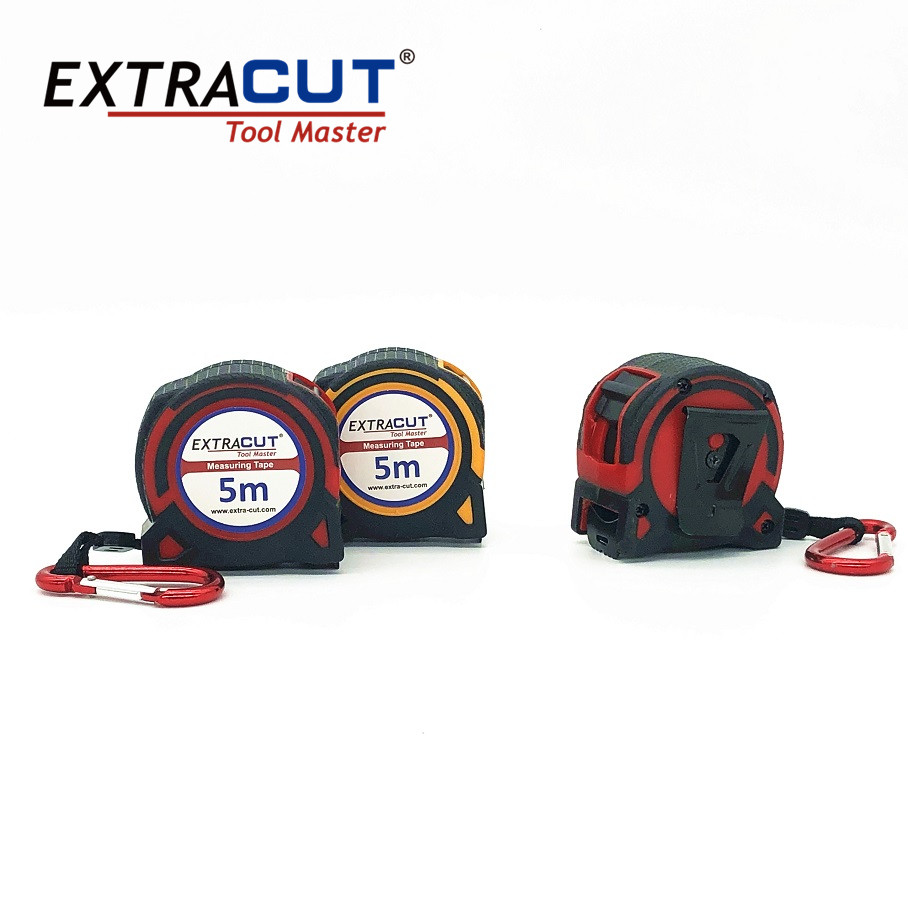
Tape measure, spirit level and utility knife

Cheap, used constantly, and the difference between a straight shelf and a shelf you notice every day.

04

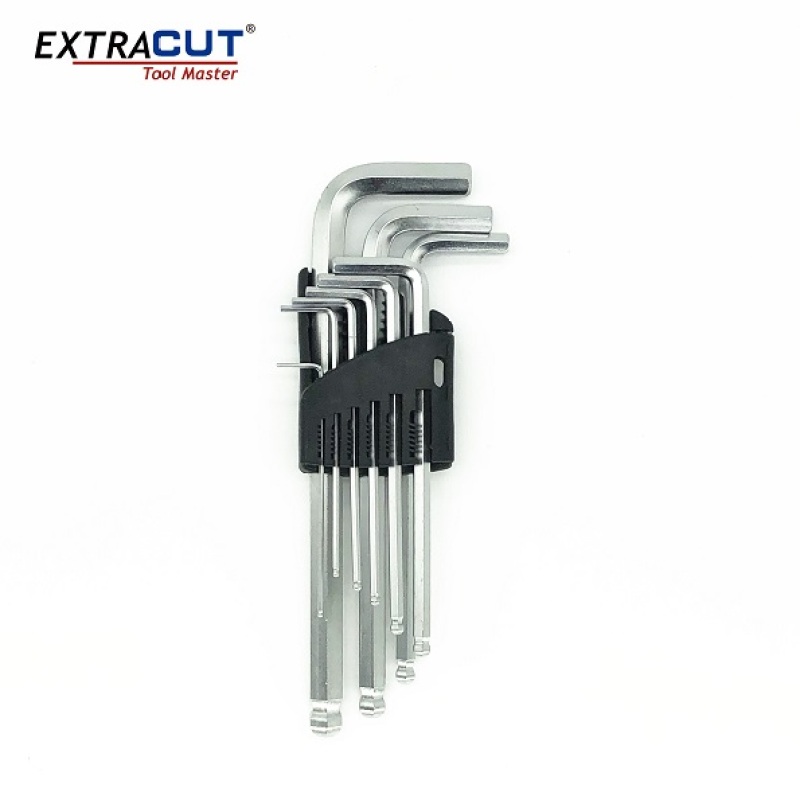
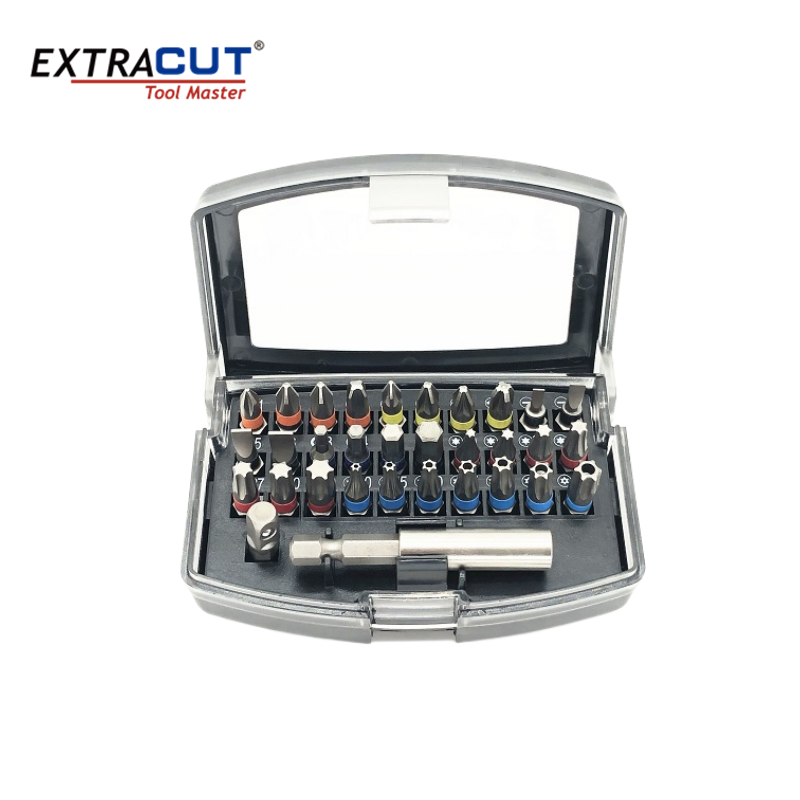
Screwdriver bit set and hex keys

Flat, Phillips, Pozidriv, Torx and hex in metric and imperial. Furniture, appliances and bikes all arrive with fasteners that need exactly the right size.

05

A socket set for nuts and bolts

Anything with a hex head — furniture feet, machine bolts, car and bike parts. A 1/4″ drive set covers most household work; 1/2″ adds leverage for the stubborn ones.

06

Safety kit: glasses, gloves, mask, ear plugs

Not optional. Eye protection every time the tool runs, a P2/N95 mask for any sanding or masonry dust, and ear plugs for anything you cannot talk over.

07

Upgrade when you need it: a TCT blade for the circular saw

A good 40–60 T TCT blade transforms a cheap circular saw. It cuts faster, leaves a cleaner edge and lasts many times longer than the blade that came in the box.

04 — Feeds & speeds

Numbers to start from

Use these as a starting point and adjust to what the cut is telling you. Start slow and work up.

DIY speed, cooling and the mistake to avoid
JobSpeedCoolingCommon mistake
Timber, TCT 40–60 TSaw's rated rpmNonePushing the saw → burning and kickback
Masonry bit in brick600–1,000 rpmNoneHammer from the first turn → wandered hole
Diamond bit in porcelain400–1,000 rpmWaterHammer mode → cracked tile
HSS bit in mild steel800–1,600 rpmCutting oilToo fast → blue bit, burnt edge
Step drill in sheet metal300–600 rpmLight oilToo fast → triangular hole
Flap wheel / grinding discPer disc max rpmNoneDisc rated below the tool's no-load speed
Screwing into hardwoodLow, with clutchNoneNo pilot hole → split timber
One rule covers most of this table: the harder the material, the slower you go. Soft materials can be cut fast; hard ones have to be cut patiently.
05 — Troubleshooting

If it goes wrong

The symptom is rarely the problem. Read the root-cause column before you change anything.

Everyday fixes
SymptomRoot causeFix
Drill bit smokes and will not cutToo fast, no lubrication, or a dull bitSlow down, add cutting oil, replace the bit — a burnt bit does not recover
Tile cracks while drillingHammer mode, too much pressure, or drilling near an edgeRotary only, masking tape, 45° start, stay 50 mm off the corners
Screw head chews out (cam-out)Wrong bit size, or not enough downward pressureUse the exact size, press firmly before turning, consider a Pozidriv bit for Pozidriv screws
Hole in the wall is too bigThe bit wandered, or hammer was engaged too earlyStart without hammer, pilot with a small bit, hold the drill square to the wall
Sawn timber is not squareWork unsupported, blade wanderingClamp it, support both sides, guide the saw along a straight edge
Tool overheating after a few minutesToo much pressure, or blocked cooling ventsLet the tool do the work, clear dust from the vents, let it idle to cool
Blade dulls very quicklyCutting the wrong materialCheck the blade's intended material — never cut metal with a wood blade or masonry with a TCT wood blade
07 — Safety

Before you switch anything on

Short list, long consequences. These apply to every job on this page.

Eye protection every single time. The most common workshop injury is a foreign body in the eye, and it happens on “quick” jobs.
Unplug before changing bits, blades and discs. Also before you reach into a machine to clear debris.
Clamp or support the work. Holding a part with one hand and cutting with the other is how hands get cut.
Keep sparks and sawdust apart. Grinding near wood dust, solvent or packaging is the classic workshop fire.
Match every disc and blade to the tool's rated speed. A disc rated below the grinder's no-load rpm can fail explosively.
If a tool stalls, switch off first. Never pull a jammed bit or blade out of the work while the motor is running.
08 — FAQ

Frequently asked questions

The questions our technical team answers most often.

What drill bit do I need for a brick wall?
A carbide-tipped masonry bit in rotary-hammer mode. Start in rotary only until the bit has bitten, then engage the hammer. If the wall is soft block rather than brick, hammer is usually unnecessary.
How do I drill a tile without cracking it?
Diamond bit, masking tape over the spot, spin the bit before it touches, start at 45° to grind a small groove, then straighten to 90°. Rotary only — no hammer — and keep water on the bit.
Which blade cuts both wood and metal?
None, safely. Use a 40–60 T TCT blade for wood and a 60–80 T carbide/cermet metal blade for steel. A wood blade on metal destroys the teeth instantly; a metal blade on wood cuts slowly and clogs.
Do I really need a socket set?
If anything in your house has a hex nut or bolt — furniture feet, bike parts, appliances, garden equipment — yes. A 1/4″ drive set covers most of it, and a 1/2″ drive adds the leverage for the ones that have seized.
What is the single most useful tool to upgrade first?
The blade or bit, not the machine. A good TCT blade in a cheap circular saw, or quality cobalt drills in a basic drill, changes the result far more than a more expensive tool body does.

Still not sure which tool fits the job?

Send us the material, the machine and the finish you need. Our engineers will specify the blade, bond or bit — and quote it with a sample if you want to test before you commit.